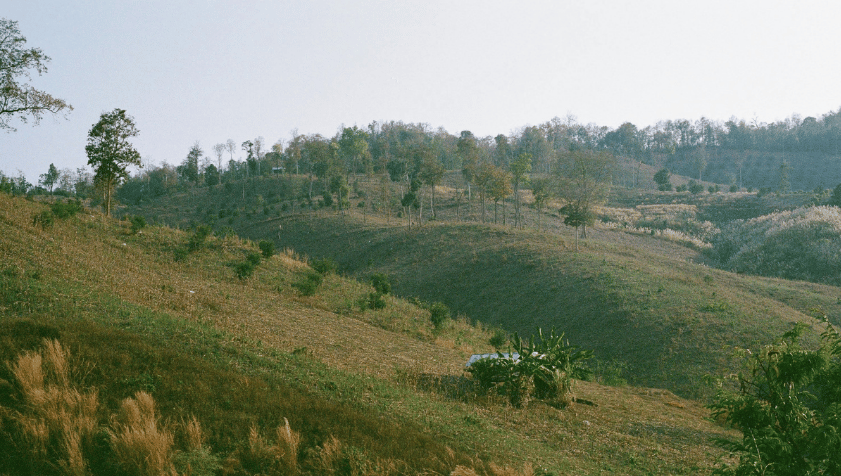
For many international travelers, the Indonesian island of Java is synonymous with the ancient temples of Yogyakarta or the bustling megalopolis of Jakarta. However, nestled between the volcanic peaks and the crashing waves of the Indian Ocean lies Tasikmalaya—a destination often overlooked by the masses but deeply cherished by those seeking an authentic Sundanese experience.
Known affectionately as the “Pearl of East Priangan,” Tasikmalaya offers a refreshing escape from the typical tourist trail. It is a land where misty highlands meet dramatic coastlines, and where age-old traditions are still woven into the fabric of daily life. This guide explores the premier destinations in Tasikmalaya, curated specifically for the global explorer.
1. Mount Galunggung: A Journey to the Crater’s Heart
No trip to Tasikmalaya is complete without visiting its most iconic natural landmark: Mount Galunggung. This active stratovolcano last erupted significantly in 1982, leaving behind a landscape that is both haunting and beautiful.
The Experience: For the active traveler, the climb to the crater involves conquering 620 yellow steps. While it sounds daunting, the reward at the top is a panoramic view of a massive green crater lake.
Why Tourists Love It: Unlike the overcrowded Mount Bromo, Galunggung offers a more peaceful, meditative environment. After your descent, you can soak in the natural hot springs at the base, which are rich in minerals believed to have healing properties.
2. Kampung Naga: Stepping Back in Time
For those interested in anthropology and sustainable living, Kampung Naga (Dragon Village) is a must-visit. This traditional Sundanese hamlet has famously rejected modern technology—there is no electricity, and homes are built strictly from bamboo, wood, and thatch.
Cultural Immersion: Walking down the stone steps into the river valley where the village sits feels like entering a different century. The inhabitants maintain a philosophy of “Sahaja,” or simplicity, living in perfect harmony with nature.
The Global Appeal: It serves as a living museum. International tourists often find the lack of Wi-Fi and the sound of the Ci Wulan river incredibly grounding. It’s a rare opportunity to witness a community that prioritizes heritage over modernization.
3. Karang Tawulan Beach: The “Bali of Tasikmalaya”
While Java’s southern coast is known for its treacherous currents, Karang Tawulan offers a visual spectacle that rivals the cliffs of Uluwatu in Bali.
The Landscape: This is not your typical “swimming beach.” Instead, it features dramatic coral cliffs jutting out into the turquoise sea. Large grassy plateaus overlook the ocean, making it an ideal spot for sunset photography or a quiet picnic.
Wildlife: If you visit during the right season, you might spot seagulls nesting on the small offshore islands or even turtles venturing near the rocky shoreline.
4. Situ Gede: The Serene Lake
Located just a few kilometers from the city center, Situ Gede is a 47-hectare lake that serves as the “lungs” of the city.
Activities: Tourists can rent a traditional wooden boat (rakit) to reach the small island in the center of the lake, which houses a sacred tomb.
Gastronomy: The perimeter of the lake is lined with local eateries serving Ikan Bakar (grilled freshwater fish). For an international palate, the smoky, sweet soy-marinated carp is a revelation.
The Art of the City: Craftsmanship and Heritage
Tasikmalaya is world-renowned for its cottage industries. For the souvenir hunter, this is paradise.
Batik Tasikmalaya
Unlike the dark, earthy tones of Solo or Jogja batik, Batik Tasik is vibrant and colorful. It often features floral patterns, butterflies, and birds, reflecting the lush nature surrounding the city. Visiting a local workshop in the Sukaraja district allows you to see the painstaking process of hand-drawing wax onto silk or cotton.
Kelom Geulis (The Beautiful Clogs)
The city’s signature footwear, Kelom Geulis, is carved from mahogany or Albasia wood and hand-painted with intricate designs. They are high-fashion items that make for excellent, lightweight gifts to take back home.
The Rajapolah Handicraft Center
If you want to see where all of Java’s woven bags and mats come from, head to Rajapolah. The artisans here transform pandanus leaves and bamboo into world-class home decor. Much of what is sold in high-end boutiques in Bali actually originates right here.
A Culinary Expedition for the Brave
Sundanese cuisine is famous for its freshness. In Tasikmalaya, “Farm to Table” isn’t a trend; it’s a way of life.
Nasi Tutug Oncom (TO): This is the city’s culinary soul. It consists of rice mixed with fermented soybean cake (oncom), served with fried chicken, salty fish, and incredibly spicy sambal.
Teh Poci: Given its highland location, Tasikmalaya has a rich tea culture. Enjoying a hot jasmine tea served in a clay pot with rock sugar is the quintessential way to spend a rainy afternoon.
Essential Information for International Travelers
How to Get There
By Train: The most scenic and comfortable way. Take the Malabar or Lodaya express from Bandung (3 hours) or Jakarta (6-7 hours). The journey winds through emerald-green rice paddies and over high railway bridges.
By Air: The Wiriadinata Airport serves limited domestic flights, but most travelers prefer the train for the views.
Best Time to Visit
The dry season from May to September is ideal for hiking Mount Galunggung and visiting the beaches. However, the misty “rainy season” (October to April) adds a romantic, ethereal atmosphere to the highlands.
Local Etiquette
Sundanese people are known for being exceptionally polite and soft-spoken. A simple “Hatur Nuhun” (Thank you) goes a long way. While Tasikmalaya is a conservative religious hub (often called the “City of Santri”), locals are very welcoming to foreigners as long as modest clothing is worn, especially when visiting villages or religious sites.
Why Tasikmalaya Matters
In an era of over-tourism, Tasikmalaya remains an “honest” destination. It doesn’t put on a show for visitors; it simply invites you to join in its rhythm. Whether you are standing on the rim of a volcano, watching an artisan weave a basket, or sharing a spicy meal with a local family, you are experiencing the true heart of Indonesia.
It is a place for the traveler who wants to come home with a story that hasn’t been posted a million times on Instagram—a story of discovery, warmth, and natural wonder
a travel writer who shares inspiring holiday ideas, destination tips, and stories to help readers enjoy meaningful and memorable getaways around the world.


